
- 3
- 5
- 5
- 5
Ngorongoro Crater
Where Wildlife, People & Ancient Landscapes Meet
Discover the extraordinary Ngorongoro Conservation Area, home to the world-famous Ngorongoro Crater, abundant wildlife, dramatic volcanic landscapes and a remarkable living relationship between people and nature.
From the first view across the Crater rim to encounters with wildlife on the Crater floor, Ngorongoro offers one of Tanzania’s most distinctive safari experiences.
01. ABOUT NGORONGORO CONSERVATION AREA
A Landscape Shaped by Volcanoes, Wildlife & People
The Ngorongoro Conservation Area (NCA) is one of Tanzania’s most extraordinary protected landscapes.
Unlike a conventional national park, the Conservation Area was established as a multiple-land-use area, where wildlife conservation exists alongside the traditional pastoralist activities of indigenous communities.
At its Centre lies the spectacular Ngorongoro Crater, a vast volcanic caldera surrounded by steep walls and rich grasslands.
The wider Conservation Area extends far beyond the Crater, encompassing highlands, forests, grasslands, archaeological sites and important wildlife habitats.
Ngorongoro was designated a UNESCO World Heritage Site in 1979, with its cultural values later recognized as part of the World Heritage designation.
What Makes Ngorongoro Different?
Wildlife + Volcano + Culture + Archaeology
Few places combine all four on such a remarkable scale.
02. THE NGORONGORO CRATER & WILDLIFE
A Natural Wildlife Amphitheatre
The Ngorongoro Crater is the world’s largest unbroken and unflooded caldera, formed when a large volcano collapsed millions of years ago.The Crater floor contains grasslands, woodland, wetlands and Lake Magadi, creating habitats for a remarkable concentration of wildlife.
Wildlife You May Encounter/ Home of Big five animals
Lions/ Leopard
The Crater supports a significant lion/ Leopard population.
Elephants
Large elephants can be encountered in the Crater and surrounding highlands.
Black Rhinoceros
Ngorongoro is one of the places in Tanzania where visitors may have an opportunity to see the endangered black rhino.
Buffalo
Large herds are commonly encountered on the Crater floor.
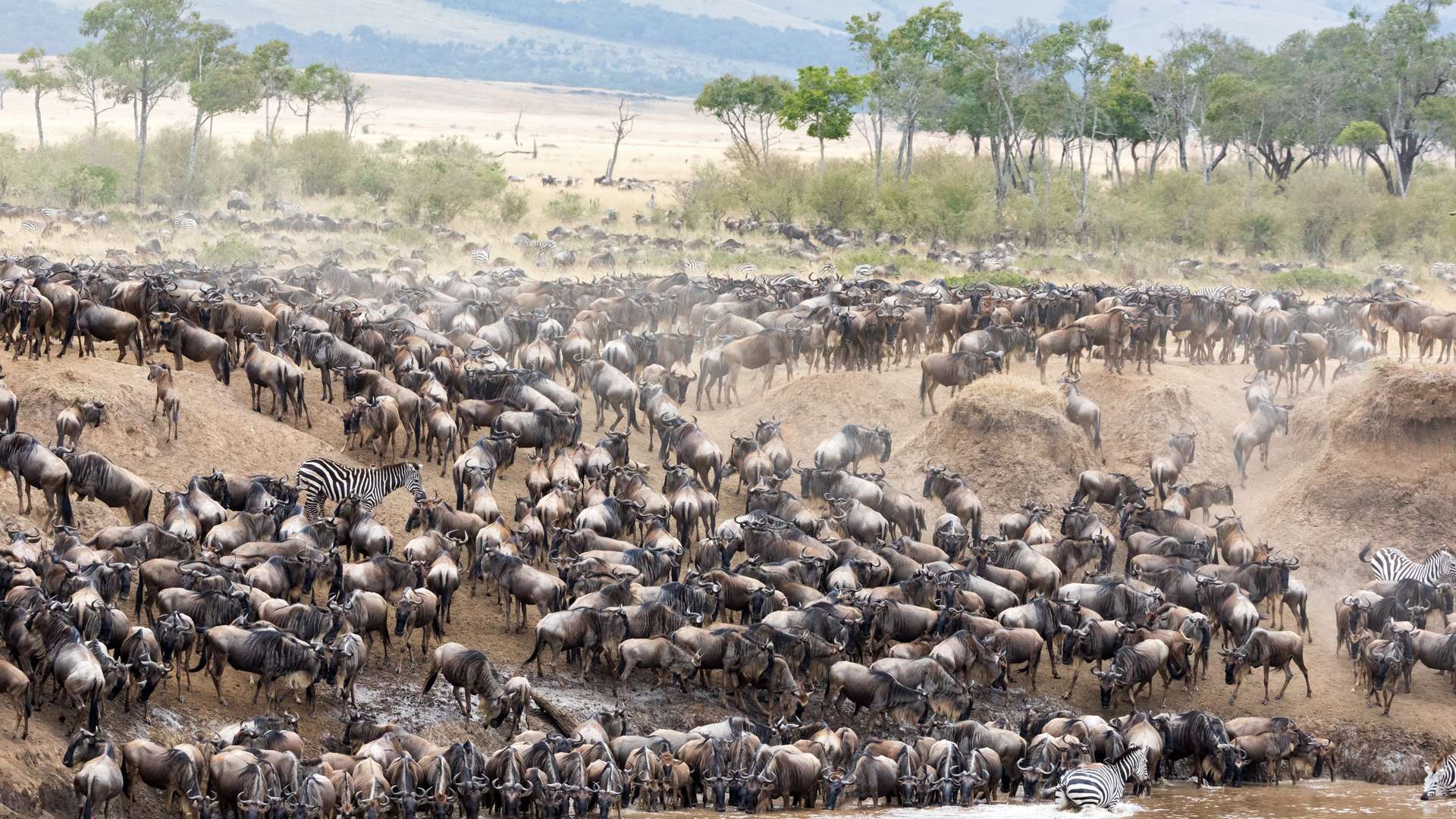
Zebra & Wildebeest
Large numbers of grazing animals move across the grasslands.
Hippos
Wetland areas provide habitat for hippos.
Other species include:
Hyenas Cheetahs
Giraffes in the wider conservation area, Gazelles, Elands, Jackals, Warthogs, Flamingos and other waterbirds
Important: Wildlife sightings are never guaranteed. The experience is about observing animals in their natural environment.
03. THE NGORONGORO CRATER
Descend Into One of Africa’s Most Remarkable Landscapes
For many travelers, the Crater is the highlight of visiting Ngorongoro.
From the rim, you can look across the enormous caldera before descending into the Crater floor for a game drive.
Inside, the landscape changes constantly:
Open grasslands
Where large herds of grazing animals can be found.
Lake Magadi
A seasonal alkaline lake that attracts birds, including flamingos.
Lerai Forest
A woodland habitat associated with elephants and other wildlife.
Wetlands & water sources
Important for wildlife throughout the year.
The Crater Experience
A typical Crater safari involves:
Crater Rim → Descent → Game Drive → Wildlife Viewing → Picnic/Lunch → Crater Floor → Ascent
The dramatic walls surrounding the floor create a unique sense of being inside a natural wildlife amphitheatre.
04. PEOPLE, CULTURE & CONSERVATION
Where People & Wildlife Share the Landscape
One of the defining characteristics of Ngorongoro is that it is not simply a wildlife destination.
The Conservation Area was created to accommodate wildlife conservation together with human habitation and traditional pastoralist activities.
Maasai communities have traditionally used the landscape for pastoralism, and their presence forms an important part of the area’s cultural identity.
Cultural Experiences
Depending on your itinerary and the permissions available, visitors may have opportunities to learn about:
Maasai traditions, Pastoralist lifestyles, Traditional homes, Cattle and livestock culture. Local crafts, Community life, Responsible Cultural Tourism
A cultural visit should be approached with respect and consent.
At Mwemezi, we believe cultural experiences should create meaningful interaction rather than simply treating local communities as attractions.
05. OLDUPAI GORGE & HUMAN HISTORY
Walking Through the Story of Humanity
The Ngorongoro Conservation Area is also internationally important for archaeology and human evolution.
Olduvai Gorge often written as Oldupai Gorge is one of the world’s most significant paleoanthropological sites.
Important fossil and archaeological discoveries made in the area have helped scientists understand early human evolution and ancient environments.
The nearby Laetoli archaeological area is also famous for ancient hominin footprints preserved in volcanic deposits.
Why It Matters
Ngorongoro isn’t only about seeing wildlife.
It is a place where you can explore questions about:
Where did our ancestors live?
How did early humans interact with their environment?
How has this landscape changed over millions of years?
For travellers interested in history, archaeology and anthropology, this adds an entirely different dimension to the safari.
06. BEST TIME TO VISIT NGORONGORO
Ngorongoro Through the Seasons
Ngorongoro can be visited throughout the year, but different seasons offer different experiences.
June – October
The generally drier period can offer good wildlife-viewing conditions.
Good for:
Wildlife viewing • Clearer landscapes • Classic safari
January – March
The wider Ngorongoro ecosystem can become particularly interesting during the period associated with calving and migration movements.
Good for:
Wildebeest • Calving • Young animals • Photography
April – May
The landscape becomes greener during the rainy period.
Good for:
Green scenery • Photography • Fewer visitors in some periods
November – December
Short rains can bring fresh vegetation and changing conditions.
Good for:
Green landscapes • Wildlife • Photography
Our advice: Rather than choosing a date solely because someone calls it the “best month,” choose your timing based on what you want to experience and then build the itinerary accordingly.
07. EXPERIENCES IN NGORONGORO
More Than a Crater Game Drive
Ngorongoro Crater Game Drive
The classic experience.
Descend into the Crater and explore its wildlife-rich floor.
Crater Rim Views
The viewpoints around the rim provide spectacular perspectives over the caldera and surrounding highlands.
Maasai Cultural Experience
Learn about traditional pastoralist life and the relationship between people and this landscape through respectful, community-based experiences.
Oldupai Gorge
Explore one of the world’s most important archaeological landscapes.
Ngorongoro Highlands
The surrounding highlands offer a completely different atmosphere from the Crater floor, with forests, grasslands and dramatic volcanic scenery.
08. WHY NGORONGORO WITH MWEMEZI
Why Experience Ngorongoro with Mwemezi African Safaris?
Authentic & Memorable
At Mwemezi African Safaris, we don’t see Ngorongoro as simply another stop on a safari itinerary.
We want our guests to understand the landscape, experience its wildlife and appreciate the people and history that make the Conservation Area unique.
What We Bring
- Experienced Safari Team
- Our guides and safari team bring local knowledge and practical experience to your journey.
- Personalized Itineraries
- We plan around your travel dates, interests, accommodation preferences and budget.
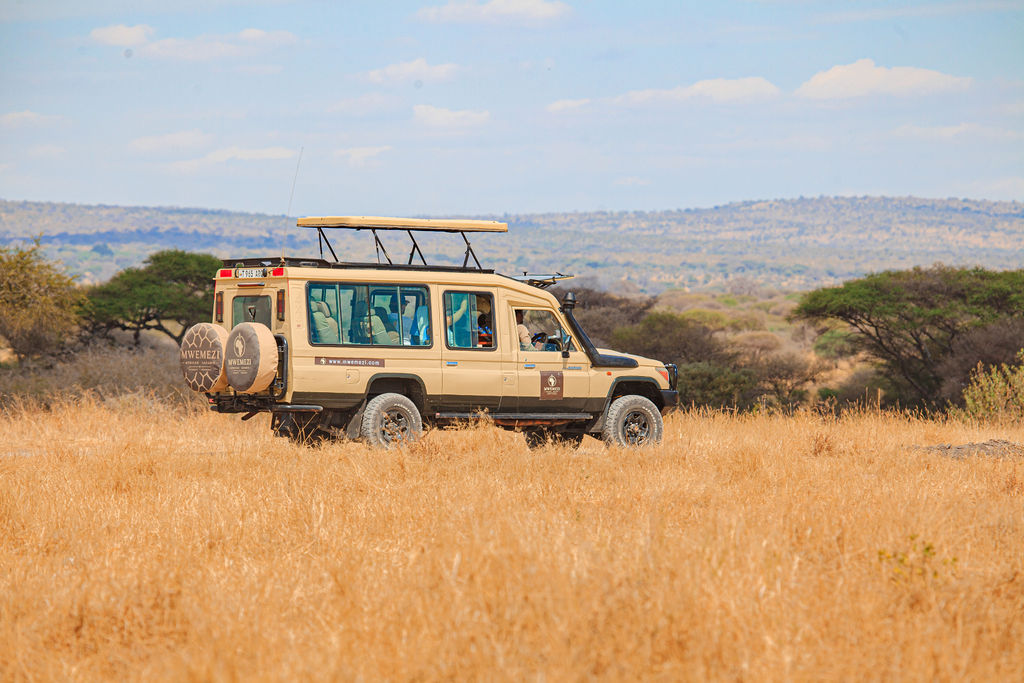
- Comfortable Safari Vehicles
- Travel through the Northern Circuit in a properly equipped safari vehicle with an experienced driver-guide.
- Carefully Selected Accommodation
- We select accommodation according to your preferred comfort level and itinerary.
- Local Knowledge
- Our understanding of Northern Tanzania helps us create practical routes that make good use of your safari time.
Mwemezi African Safaris
Authentic & Memorable.
Frequently Asked Questions
Is Ngorongoro a National Park?
No. Ngorongoro is a Conservation Area, managed under a different model from Tanzania’s national parks. Human habitation and traditional pastoralist activities are part of the area’s multiple-use approach.
What is Ngorongoro Crater famous for?
It is famous for its enormous volcanic caldera, high concentration of wildlife and spectacular scenery.
Can I see the Big Five in Ngorongoro?
Ngorongoro supports all five species commonly referred to as the Big Five, although sightings of individual species especially black rhino cannot be guaranteed.
How long is a Crater game drive?
A Crater visit is generally planned as a substantial game-drive experience, with timing depending on park regulations, your itinerary and the day’s conditions.
Can I visit Ngorongoro and Serengeti together?
Yes. The two destinations are commonly combined because they offer different landscapes and wildlife experiences.
Can I visit Ngorongoro from Zanzibar?
Yes. You can combine a Zanzibar holiday with a Northern Tanzania safari using domestic flights and safari transfers.
Is Ngorongoro suitable for families?
Yes. The safari can be planned around family needs, children’s ages, accommodation preferences and driving time.
What should I bring?
Comfortable layered clothing, a warm jacket for the highlands, sun protection, comfortable shoes, binoculars, camera equipment and personal essentials.

Duration
10 Days
$3500
/ person
Duration
8 Days
$2750
/ person
Duration
7 Days
$2250
/ person

Duration
5 Days
$1500
/ person
Duration
6 Days
$1560
/ person