
- 3
- 5
- 5
- 5
Serengeti National Park
Where the Wild Roams Free
Experience the endless plains of Tanzania’s Serengeti, where extraordinary wildlife, dramatic landscapes and the rhythm of the Great Migration come together in one of Africa’s most remarkable wilderness areas.
From powerful lions resting beneath acacia trees to vast herds of wildebeest moving across the plains, Serengeti offers a safari experience that stays with you long after you leave.
01. ABOUT SERENGETI
The Heart of Tanzania’s Wild
Serengeti National Park is one of Tanzania’s most iconic protected areas and lies at the heart of the wider Serengeti-Mara ecosystem.
The park covers approximately 14,763 km² and was established in the early 1950s, with its boundaries expanded in 1959. Serengeti was inscribed on the UNESCO World Heritage List in 1981 because of its exceptional natural beauty, biodiversity and extraordinary wildlife migration.
The landscape is famous for its seemingly endless grasslands, but Serengeti is much more than open plains. Rivers, woodlands, savannah, seasonal water sources and rocky kopjes create a variety of habitats that support an extraordinary range of wildlife.
UNESCO World Heritage Centre
The name Serengeti is widely associated with the idea of “endless plains” a fitting description for a landscape where the horizon seems to stretch forever.
Here, nature sets the pace.
There are no city streets, no buildings dominating the horizon and no predictable schedule. Instead, each day unfolds around wildlife, weather, light and the movement of the ecosystem.
02. WILDLIFE & THE BIG FIVE
A Wilderness Filled with Life
Serengeti is home to an extraordinary diversity of animals, making every game drive different.
The park and wider ecosystem support large populations of herbivores and predators, including wildebeest, zebra, gazelles, buffalo, giraffe, elephants, lions, leopards, cheetahs and hyenas. UNESCO also records more than 500 bird species occurring permanently or seasonally in the park.
UNESCO World Heritage Centre
The Big Five
Lion
Serengeti is renowned for its lion populations, and sightings can range from prides resting in the shade to active hunting scenes.
Elephant
Elephants move through different habitats across the ecosystem, often appearing in family groups.
Leopard
The elusive leopard can sometimes be found resting in trees or moving quietly through woodland and riverine areas.
Rhinoceros
Black rhinos are among Serengeti’s protected and threatened wildlife species. Sightings are rare and should never be guaranteed.
UNESCO World Heritage Centre
Buffalo
Large buffalo herds are a regular part of the Serengeti landscape.
Beyond the Big Five
Look out for:
Cheetahs, Hyenas, Wildebeest, Zebras, Thomson’s gazelles, Grant’s gazellesGiraffes ,Hippos, Warthogs, Elands, Topi, Hartebeest, Impalas, Crocodiles ,Ostriches
Eagles and other birds of prey
Every game drive is different and that’s part of the magic.
03. THE GREAT MIGRATION
One of Nature’s Greatest Journeys
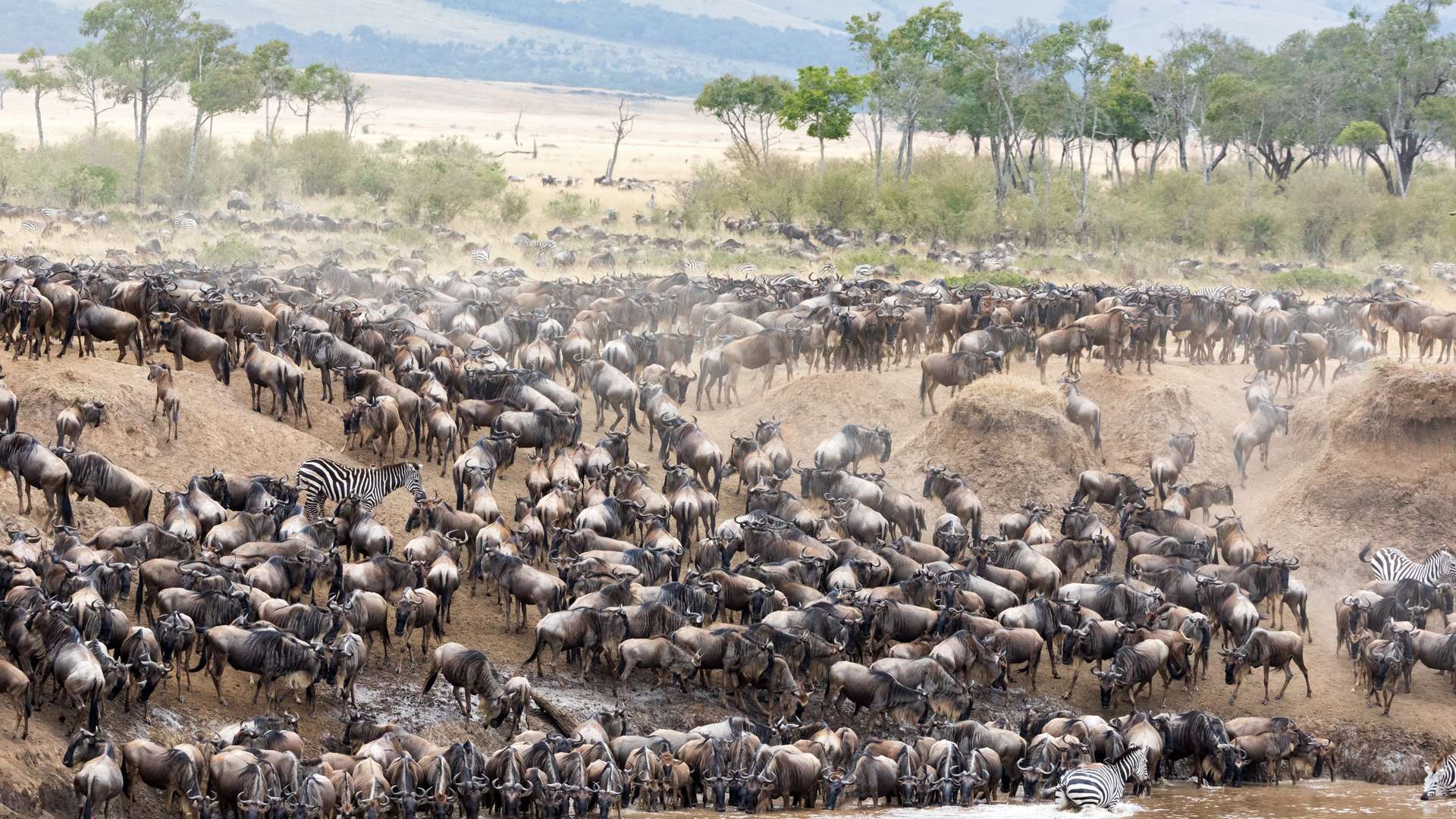
The Great Wildebeest Migration is one of Serengeti’s defining natural spectacles.
Millions of wildebeest, together with large numbers of zebra and gazelles, move through the wider Serengeti-Mara ecosystem in an annual cycle driven by the search for fresh pasture, water and suitable breeding conditions. UNESCO describes the migration as an approximately 1,000-kilometre annual movement across the wider ecosystem.
But the migration isn’t simply one event on one particular day.
It is a continuous natural cycle.
A Simplified Migration Calendar
January – March | Calving Season
The southern Serengeti and Ndutu area can become particularly important during the calving period. Thousands of young wildebeest are born, attracting predators and creating intense wildlife activity.
April – May Moving North
As conditions change and fresh grazing becomes important, herds begin moving north and west through the ecosystem.
June – July Western Serengeti
The Western Corridor can become an important part of the migration journey, with the Grumeti area featuring prominently in many migration itineraries.
August – September Northern Serengeti
Herds may reach the northern Serengeti and the Mara River region, where river-crossing activity can occur.
October – December: Returning South
The herds gradually move back toward the southern plains as the annual cycle continues.
Important to Know
Wildlife does not follow a calendar.
Migration timing can change from year to year depending on rainfall, pasture and water availability. Therefore, no responsible safari operator should guarantee a specific migration sighting simply because you are travelling during a particular month.
Planning a migration safari?
Tell us your travel dates and we’ll help you choose the Serengeti area that best fits your trip.
04. EXPLORE THE DIFFERENT REGIONS OF SERENGETI
One Serengeti, Many Experiences
Serengeti is vast, and different areas offer different landscapes and wildlife experiences.
Central Serengeti Seronera
The Central Serengeti is one of the most popular areas for year-round safari experiences.
The Seronera area is known for its combination of open plains, rocky areas and riverine habitats, making it an important area for wildlife viewing.
Ideal for:
Year-round safaris • Predators • First-time visitors • Classic Serengeti experiences
Western Corridor
The Western Corridor stretches toward the western side of the ecosystem.
It features more wooded and riverine landscapes and becomes particularly relevant to some migration routes.
Ideal for:
Migration journeys • Grumeti region • Travellers seeking a different Serengeti landscape
Northern Serengeti
Northern Serengeti offers a more remote feeling and includes the region around the Mara River.
During parts of the migration cycle, large herds may move through this region.
Ideal for: Migration season • Mara River region • Longer safari experiences • Travellers seeking quieter areas
Southern Serengeti & Ndutu
The southern plains are particularly associated with the annual calving period.
The open grasslands provide important breeding habitat and can attract predators when large numbers of young animals are present.
Ideal for:
Calving season • Photography • Predator encounters • Migration-focused safaris
05. BEST TIME TO VISIT SERENGETI
There Is No Single “Best” Month
The right time to visit depends on what you want to experience.
June – October
Generally, part of the drier period, when vegetation can be thinner and wildlife viewing conditions can be favorable.
Great for:
General wildlife viewing • Classic safari • Northern Serengeti • Migration-focused trips
January – March
A key period for the calving season in the southern Serengeti/Ndutu region.
Great for:
Calving • Young animals • Predator activity • Photography
April – May
A greener period with seasonal rainfall in many areas.
Great for:
Green landscapes • Photography • Travellers interested in a different seasonal atmosphere
November – December
Short rains can bring fresh vegetation and changing conditions across the ecosystem.
Great for:
Green scenery • Wildlife • Following the seasonal movement of the herds
Remember: seasonal patterns are natural, not fixed schedules. Rainfall and wildlife movement can vary from year to year.
06. THINGS TO DO IN SERENGETI
More Than a Game Drive
A Serengeti safari is about being present in the wilderness and experiencing nature at its own pace.
Game Drives
The classic Serengeti experience.
Spend time exploring the plains, woodlands, rivers and kopjes while your safari guide helps you understand the animals and ecosystem around you.
Hot-Air Balloon Safari
See the Serengeti from above as the landscape opens beneath you.
Balloon safaris are generally operated in designated areas and require advance planning.
Wildlife Photography
From lions and leopards to huge herds of wildebeest, Serengeti provides exceptional opportunities for wildlife photography.
Sunrise & Sunset
Early morning light can transform the plains, while sunset creates dramatic views across the landscape.
Birdwatching
With more than 500 bird species recorded in the park, Serengeti also offers rewarding experiences for bird lovers.
UNESCO World Heritage Centre
07,PLAN YOUR SERENGETI SAFARI
How Long Should You Stay?
There is no single answer. Your ideal number of days depends on your route, budget, travel season and interests.
2–3 Days
A shorter introduction to Serengeti.
4 Days
More time for different areas and a relaxed wildlife experience.
5+ Days
Ideal for travellers wanting a deeper Serengeti experience or combining several regions.
Getting to Serengeti
You can reach Serengeti by safari vehicle as part of a Northern Tanzania circuit, commonly combining destinations such as:
Domestic flights also connect Serengeti with other Tanzanian destinations and can be useful when combining a safari with Zanzibar.
Where to Stay
Accommodation ranges from comfortable tented camps to luxury lodges and camps.
Your choice can depend on:
Budget
Location
Travel season
Safari style
Desired level of comfort
Whether you’re focusing on migration or general wildlife
At Mwemezi, we help match accommodation with your safari style and budget, rather than simply choosing a property without considering the overall itinerary.
08. WHY EXPERIENCE SERENGETI WITH MWEMEZI?
Authentic & Memorable
At Mwemezi African Safaris, we believe a safari should be more than moving from one destination to another.
It should be an opportunity to connect with Tanzania’s landscapes, wildlife and people while travelling comfortably and responsibly.
Why Travel With Us?
Experienced Safari Team
Our guides, drivers and operations team bring practical experience and local knowledge to your journey.
Personalized Planning
We design safari experiences around your dates, interests, travel style and budget.
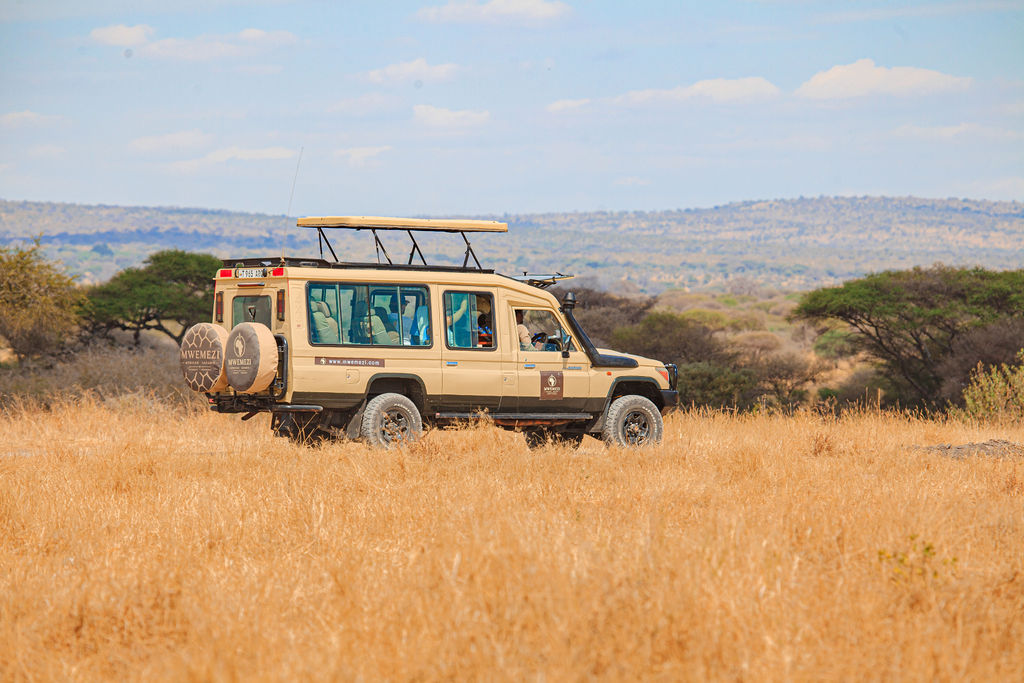
Comfortable Safari Vehicles
Your time in the bush should be safe, comfortable and enjoyable.
Carefully Selected Accommodation
We work with accommodation options that complement your itinerary and preferred level of comfort.
Local Knowledge
Our team understands the Northern Tanzania safari circuit and can help you plan your route based on the season and your interests.
From Arrival to Departure
We aim to make the journey simple, organized and memorable from the moment you arrive in Tanzania.
Mwemezi African Safaris
Authentic & Memorable.
9. SERENGETI FAQ
Is Serengeti worth visiting?
Serengeti offers a combination of vast savannah landscapes, diverse wildlife and the annual migration of large herbivore herds. It is also a UNESCO World Heritage Site.
UNESCO World Heritage Centre
How many days do I need in Serengeti?
For a first visit, 3–4 days can provide a good amount of time for wildlife viewing, while longer stays allow more flexibility and exploration.
Can I visit Serengeti from Zanzibar?
Yes. Domestic flights can connect Zanzibar with safari destinations in northern Tanzania, allowing travelers to combine a Zanzibar holiday with a Serengeti safari.
Can I see the Big Five?
Serengeti supports lion, elephant, leopard, buffalo and black rhinoceros. However, wildlife sightings are never guaranteed, and responsible operators should not promise that every visitor will see every species.
When is the Great Migration?
The migration is a year-round ecological cycle rather than a single event. The location of the herds changes throughout the year depending on rainfall, pasture and water availability.
UNESCO World Heritage Centre
Is Serengeti suitable for families?
Yes. A Serengeti safari can be designed for families, with appropriate accommodation, driving schedules and activities based on the children’s ages.
What should I bring?
Comfortable clothing, sun protection, a hat, sunglasses, comfortable shoes, binoculars, camera equipment and any personal essentials. Your safari consultant can provide a detailed packing list before departure.
Can I combine Serengeti with Ngorongoro and Tarangire?
Absolutely. These destinations can be combined into a Northern Tanzania safari itinerary depending on your available time.
READY TO EXPERIENCE SERENGETI?
Your Serengeti Story Starts Here
From the endless plains and iconic wildlife to the unforgettable movement of the Great Migration, Serengeti offers an experience that cannot be fully captured in photographs.
Let Mwemezi African Safaris help you turn your Tanzania travel plans into an authentic and memorable safari.
Plan Your Serengeti Adventure
Duration
10 Days
$3500
/ person
Duration
8 Days
$2750
/ person
Duration
7 Days
$2250
/ person

Duration
5 Days
$1500
/ person
Duration
6 Days
$1560
/ person